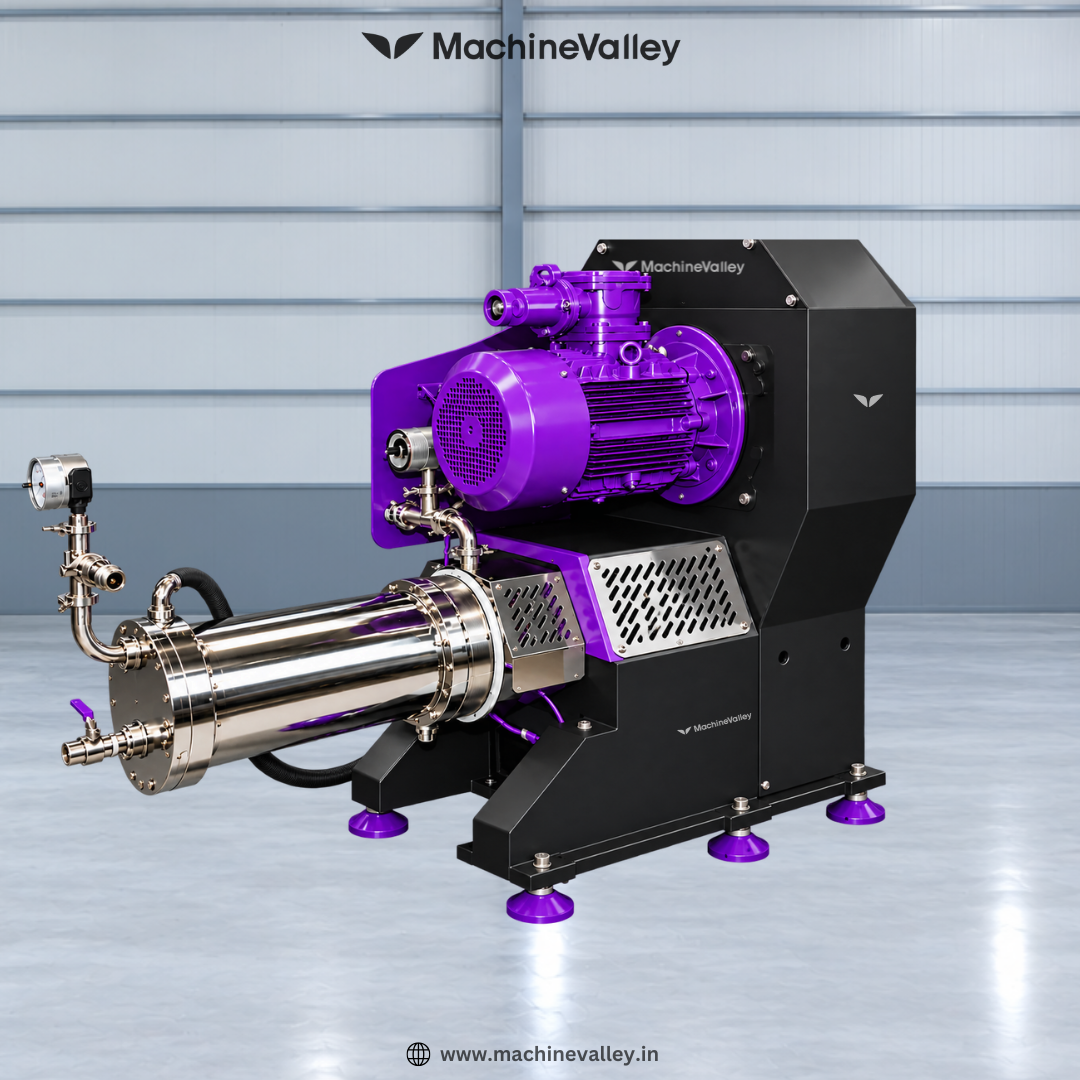
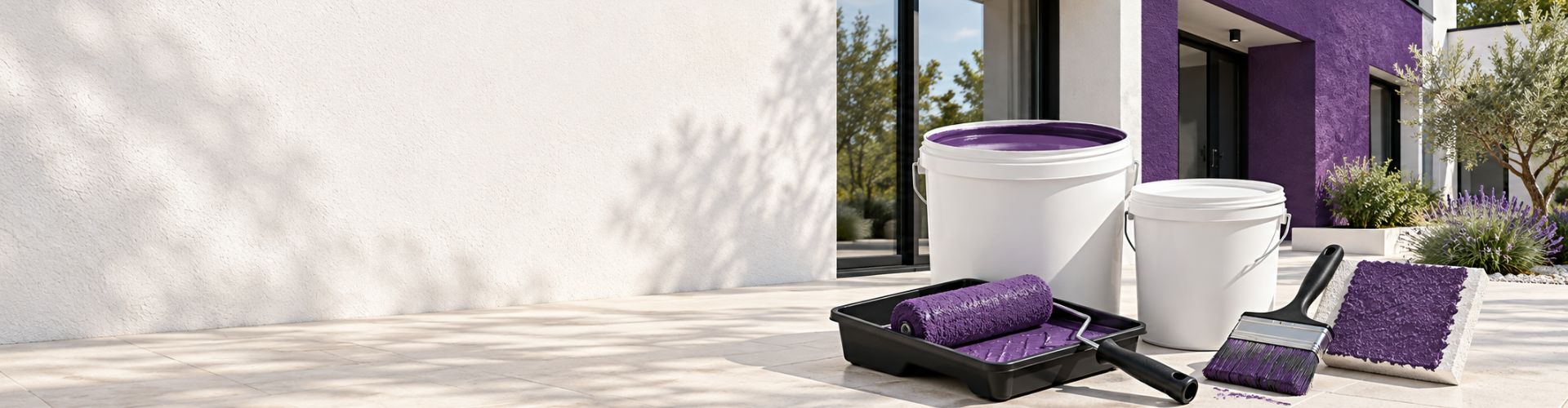
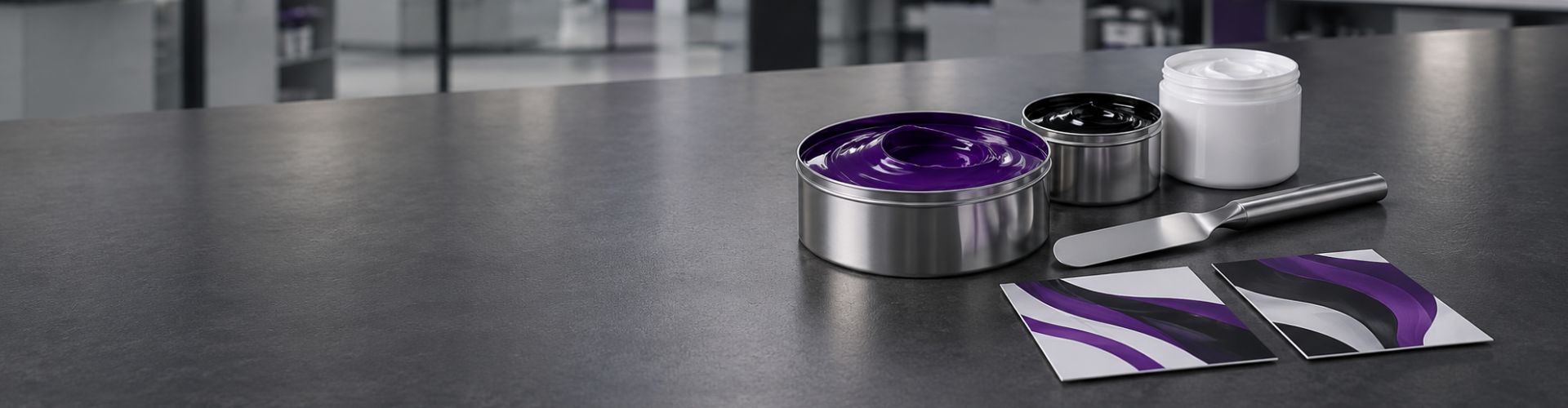
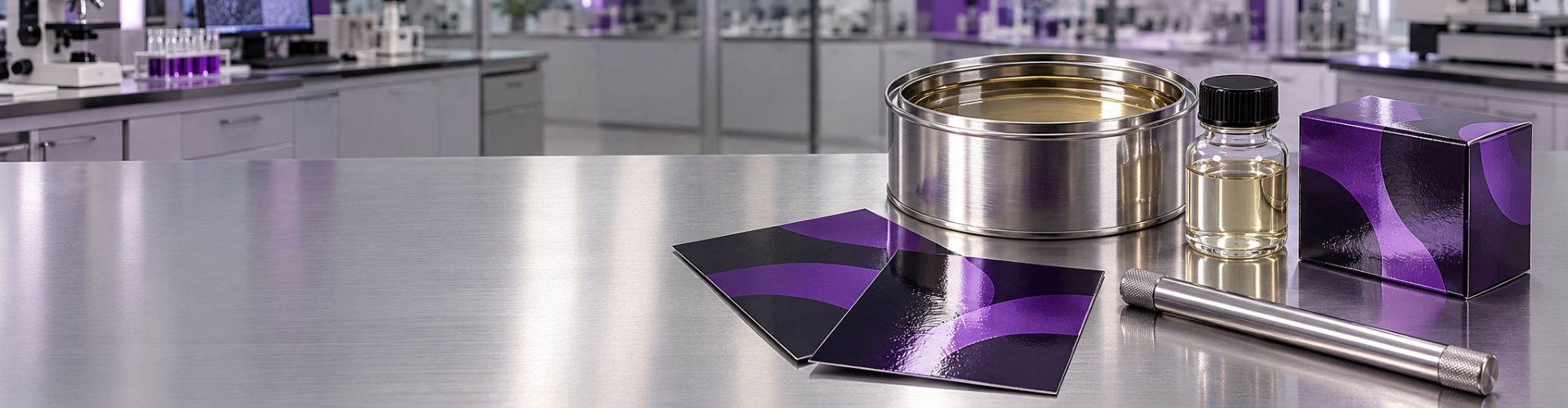
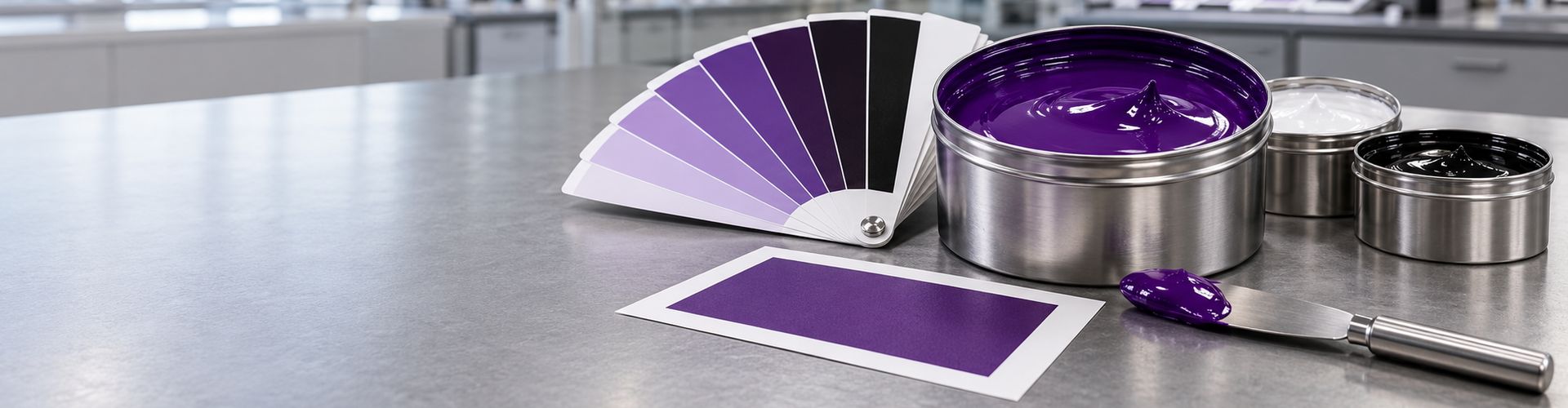
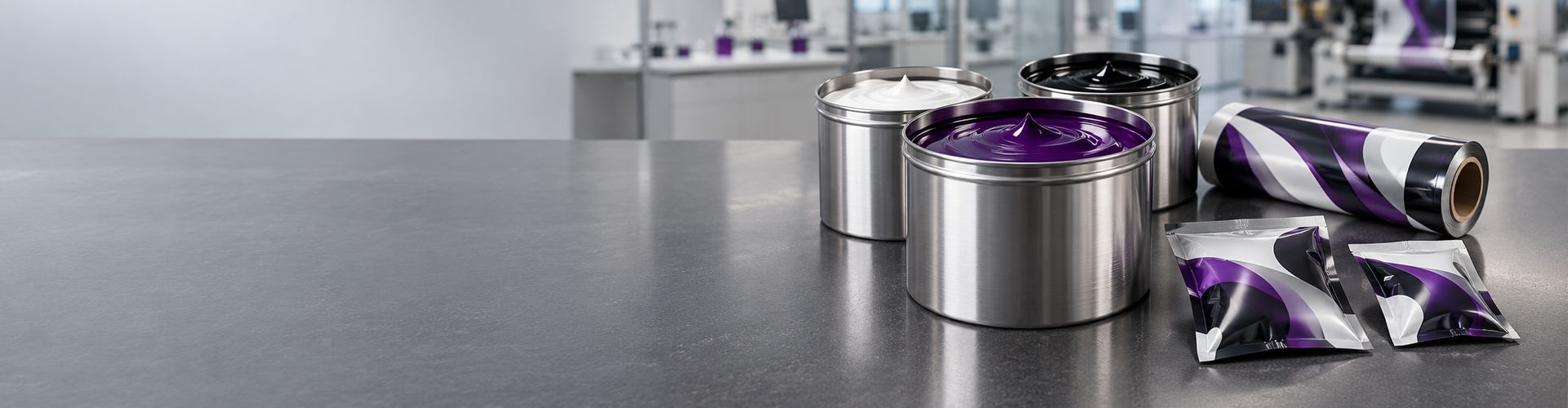
MachineValley's Horizontal Bead Mill is a continuous-production machine for grinding, milling, and dispersion of liquid-phase particulate materials. Built for low-to-medium viscosity applications, it delivers higher flow rates, faster grinding, and consistent particle size reduction, and is suited to paints, inks, pigments, and pesticide formulations.
| Specification: | MVBM-10 | MVBM-15 | MVBM-20 | MVBM-25 |
|---|---|---|---|---|
| Material Output Capacity: | 1- 3 Liter Per Min | 2-6 Liter Per Min | 3-8 Liter Per Min | 4-10 Liter Per Min |
| Diameter of Beads: | 0.8 -2 mm | 0.8 -2 mm | 0.8 -2 mm | 0.8 -2 mm |
| Disk Material Type: | SS, TC, HCHC | SS, TC, HCHC | SS, TC, HCHC | SS, TC, HCHC |
| Working Volume: | 6.5 L | 14.5 L | 18.5 L | 22.5 L |
| Tip Speed: | 0-13 m/s | 0-13 m/s | 0-13 m/s | 0-13 m/s |
| Gap Separator Rings: | Tungsten Carbide | Tungsten Carbide | Tungsten Carbide | Tungsten Carbide |
| Main Motor Details: | 10 HP | 15 HP | 20 HP | 25 HP |
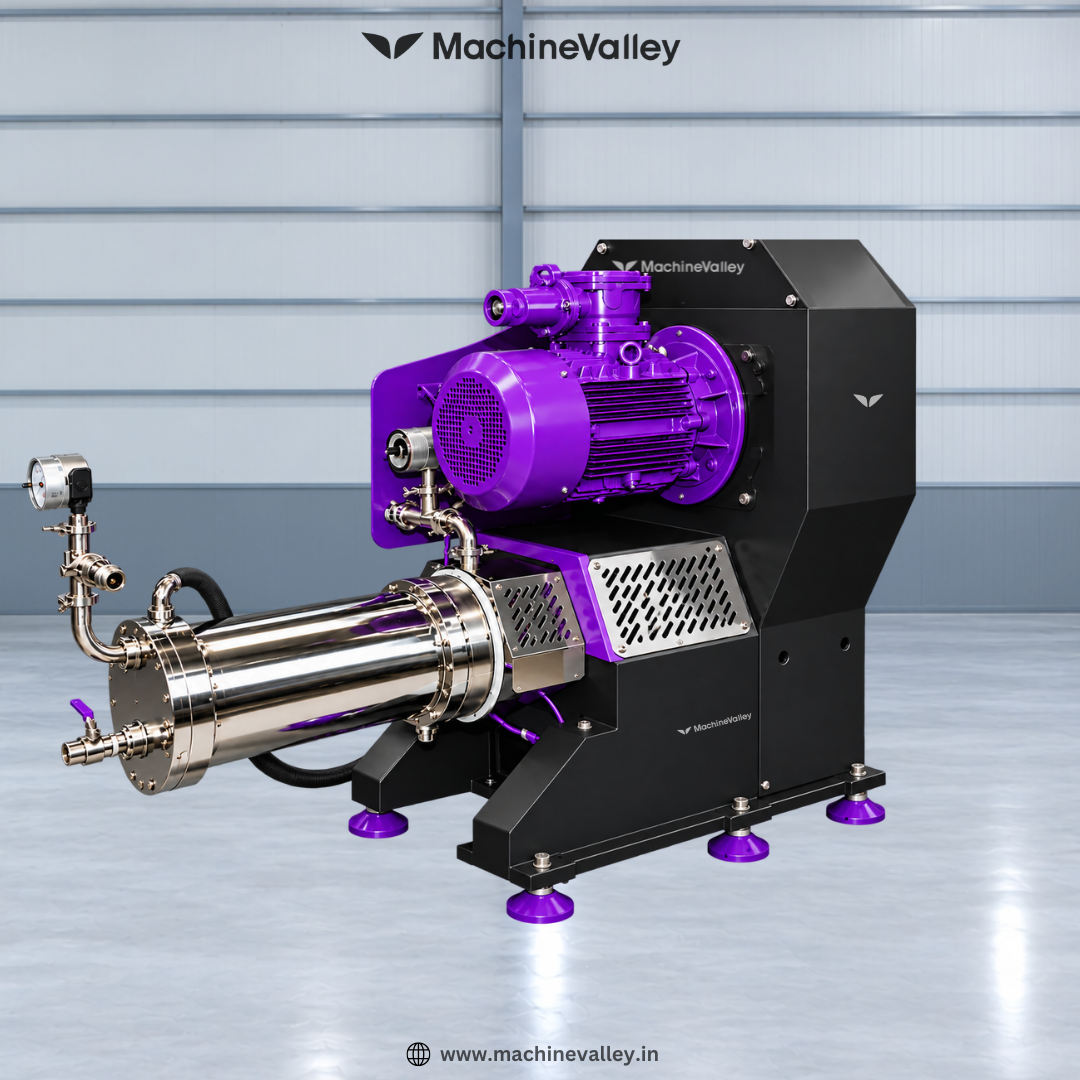
MachineValley's Horizontal Bead Mill variant is built with a 10-liter grinding chamber for smaller production runs. It delivers the same efficient bead separation and cooling performance, suited to limited floor space.
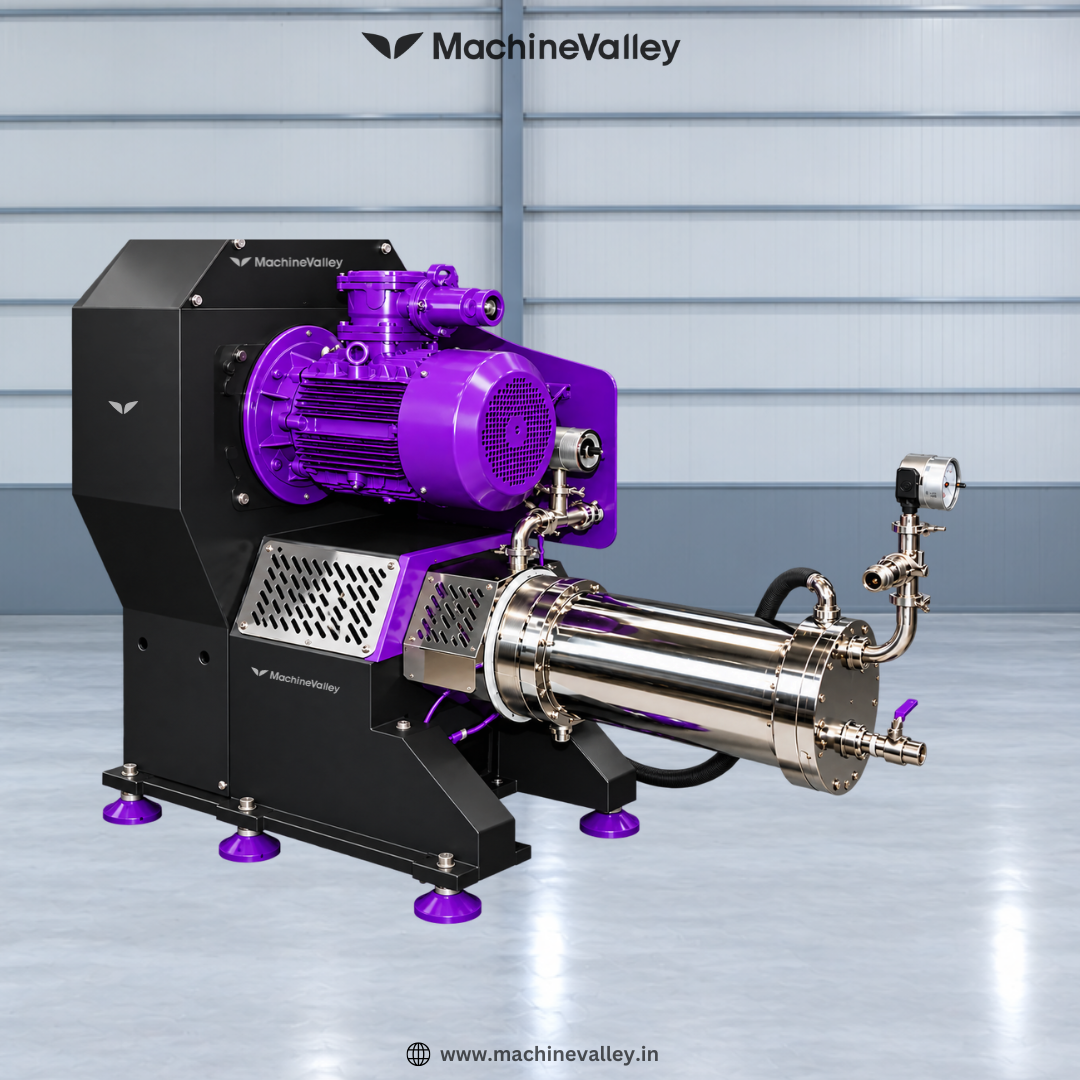
This Machine offers 15-liter grinding chamber, making it well suited for mid-scale production of coatings, inks, and chemical dispersions.
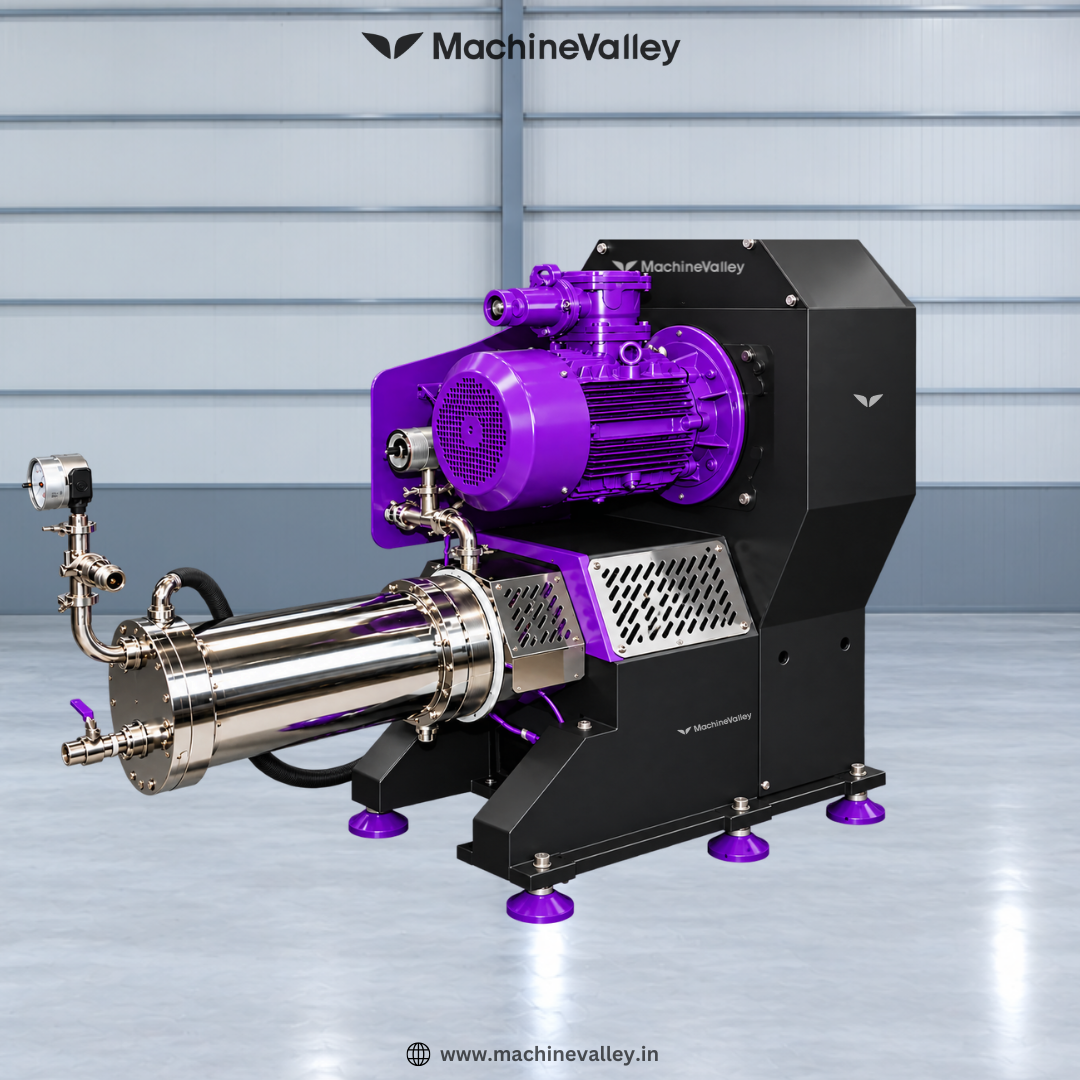
Our Cenomic Mill offers a 20-liter grinding chamber, built for mid-scale industrial production where consistent output and higher batch volumes matter. It handles a wide range of viscosities for steady production runs.
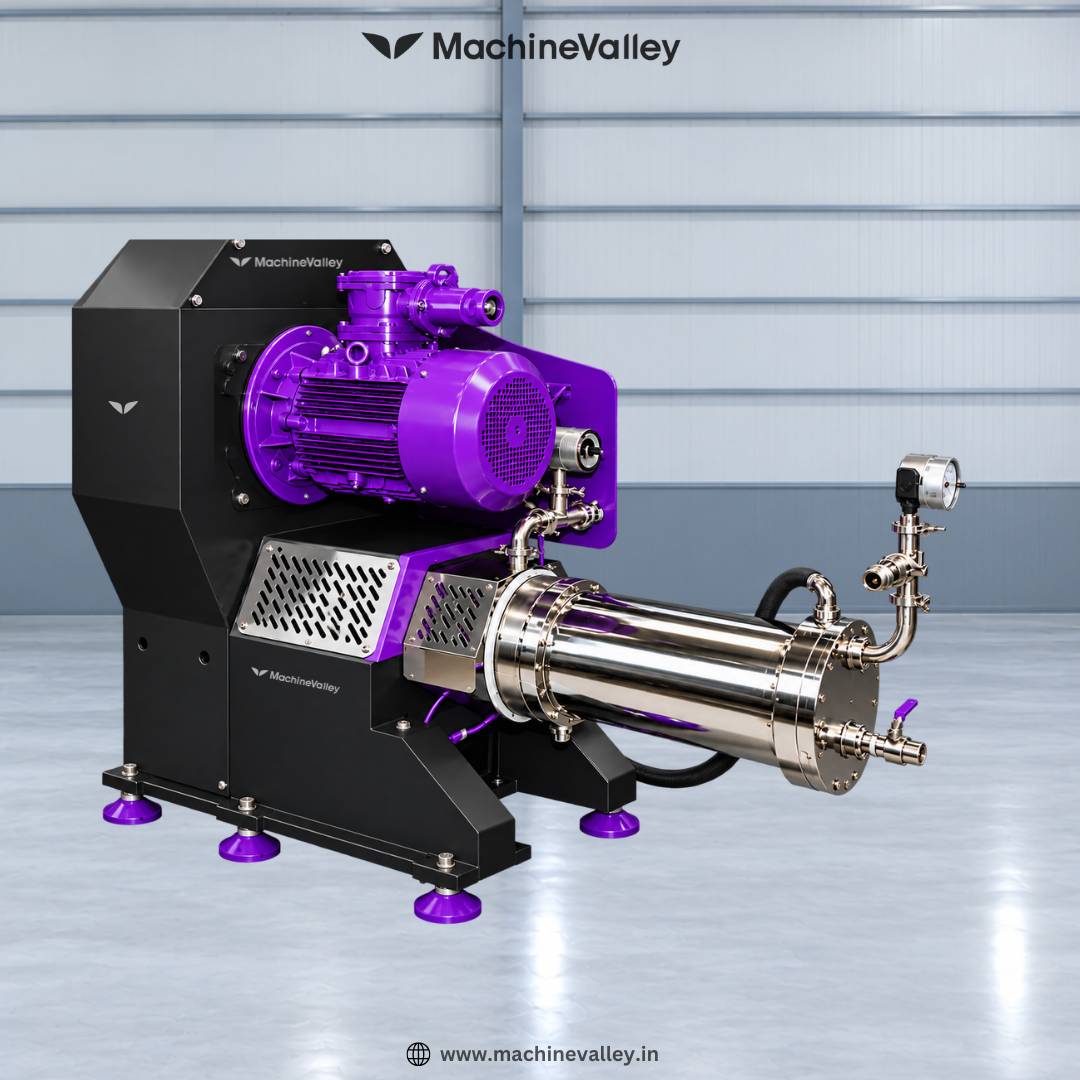
MachineValley is the flagship model in Horizontal Bead Mill line, featuring a 25-liter grinding chamber engineered for continuous, high-volume industrial production.
Material flows through the grinding chamber non-stop: feed in, product out with no pausing to load or unload.
It's built for low to medium-viscosity liquid-phase materials, similar to other bead mills in this product family.
Yes, it supports both single-pass and multi-pass configurations depending on the particle fineness your product needs.
Steady flow keeps energy input and cooling stable throughout the run, giving a narrower, more repeatable particle size distribution.
Coatings, printing inks, pigment dispersion, agrochemicals, and mineral processing lines that need consistent, high-volume output.